• Disciplinary literacy in Science 1 | Vocabulary

    Scientific writing has its own structure and vocabulary, and reading it is a specialised skill....

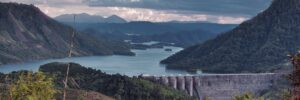
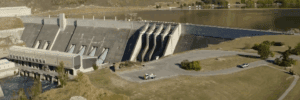
    Aotearoa NZ Power Stations | Map

    2023 07 NZASE Map of selected power stations in Aotearoa NZ

    Our electricity supply system: Understanding renewable energy in New Zealand

    Our country is unusual in its reliance largely on renewable sources of energy for generating...

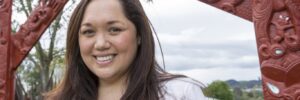
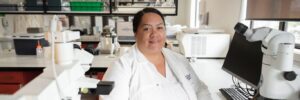
    Freshwater Ecologist | Yvonne Taura

    Yvonne Taura is a Māori ecologist at Manaaki Whenua – Landcare Research, specializing in kaupapa...

    Volcanoes of the Waikato: Geology and hazards in the Taupō Volcanic Zone

    Active volcanoes in Aotearoa/NZ are found in the Taupō Volcanic Zone (TVZ), and result from...

    Organising a science expo: planning, presentation and engagement

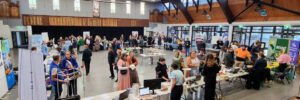
    Many tertiary organisations run science expos to connect graduates with job opportunities, and AGGS, for...

    Pest control: integrating Predator Free 2050 initiatives

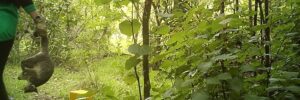
    Predator Free 2050 is an ambitious goal for Aotearoa/NZ, but achievable if everyone does their...

    Effect of frost on plants: Understanding frost damage and protection strategies

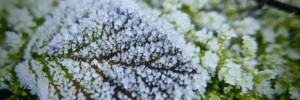
    Frosts can be damaging, reducing yield and quality in crops, pasture and forests. Farmers need...

    Laboratory building standards: Ensuring safe and compliant lab design

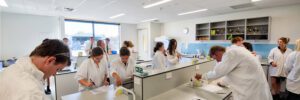
    In this resource, NZASE Science Communicator Mike Stone provides an overview of nine key New...

    Plant Protection Scientist | Aleise Puketapu

    Dr Aleise Puketapu blends cutting-edge plant protection science with mātauranga Māori to safeguard Aotearoa’s crops....

    Human skeletons in schools: Ethical considerations and repatriation

    Many schools hold human skeletons and are wondering about the right thing to do with...

    L1 Nature of Science | Pilot school resources

    These resources are now available for members and non-members; please click here and ignore the...

    Kudos Science Spinners: Empowering Māori and Pasifika students in STEM

    There are very few Māori and Pasifika graduates in STEM subjects; for example, Māori and...

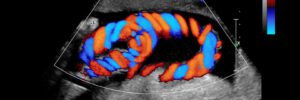
    Doppler ultrasound: Exploring the physics behind medical imaging

    Doppler ultrasound uses the changing frequency of sound waves as they are reflected by moving...

    Volcanologist | Jonathan Procter

    Professor Jonathan Procter, of Muaūpoko, Ngāti Apa, and Ngāi Tahu descent, is a leading volcanologist...

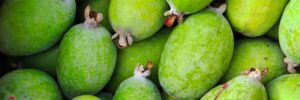
    The science of feijoas: From seed to harvest

    Feijoas are popular in Aotearoa/NZ, fruiting in autumn in warm regions. NZASE Science Communicator Mike...

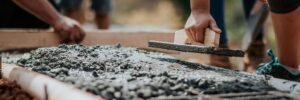
    Porous concrete: Sustainable urban drainage solutions

    Concrete is a composite material made of a binder (cement and water) and a filler...

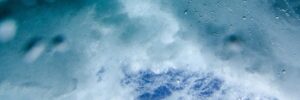
    Ocean upwelling: Nutrient-rich waters and marine productivity

    Processes above and below the water can cause upwelling at the coast and at places...

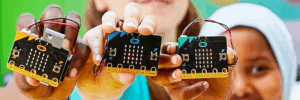
    Five digital tools for science: Enhancing engagement and data analysis

    Using digital tools in science also helps us embed the digital technology curriculum, a requirement...

    Citizen science: Engaging students in real-world scientific research

    Citizen Science projects can involve students in “real” science and connect them with scientists, both...