• Five digital tools for science: Enhancing engagement and data analysis

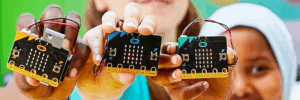
    Using digital tools in science also helps us embed the digital technology curriculum, a requirement...

    Citizen science: Engaging students in real-world scientific research

    Citizen Science projects can involve students in “real” science and connect them with scientists, both...

    Regenerating Papatūānuku: Integrating mātauranga Māori with sustainable land management

    What does it look like to care for the land when we lean into mātauranga...

    Bats of Aotearoa: Exploring New Zealand’s Unique Pekapeka

    Our country is unusual for having only one type of native land mammal. Pekapeka/bats are...

    The science of vaping: health risks, trends and policy implications

    Vaping is becoming more prevalent among teenagers. A 2021 survey of Y10 students in Aotearoa...

    ELC evolves from LEOTC: Customising field-based learning for modern classrooms

    Description: Providers applying for Enriching Local Curriculum (ELC) funding from the Ministry of Education need...

    Field-based STEM: Enhancing outdoor learning in Aotearoa schools

    We know that a local curriculum that is relevant to students is important. Field Based...

    STEM in the classroom: Enabling learning

    In an ever-changing and increasingly complex world, it is important that students can use knowledge...

    Teaching about solar cells: Exploring energy and innovation

    This resource delves into the science of solar cells, from the photovoltaic effect to practical...

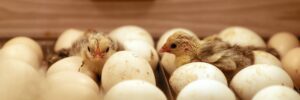
    Hatching chicks from eggs: A hands-on science experience

    This NZASE resource provides a comprehensive guide for educators interested in incubating and hatching chicken...

    The chemistry of alcohol-free beer

    Alcohol-free beer (AFB) is gaining popularity in New Zealand, offering a beverage option with less...

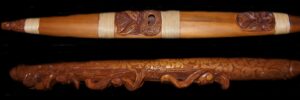
    Ngā taonga pūoro: Exploring traditional Māori musical instruments

    Treasured musical instruments have been revived in the last 30 years, and it is not...

    Teaching about flight: Bringing physics to life

    In this resource, NZASE Science Communicator Mike Stone explores how New Zealand teachers are using...

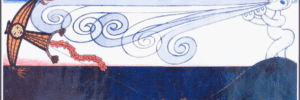
    Manu tukutuku: Exploring Māori kites and cultural significance

    Kites are collectively called manu tukutuku and feature in Māori life, especially at Matariki. Mike...

    Teaching Agriculture and Horticulture: Integrating practical skills into school curricula

    Agriculture is responsible for 80 percent of New Zealand’s exports and employs 143,000 people (Statistics...

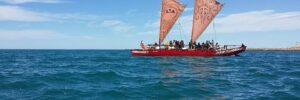
    Waka physics: understanding force, motion and cultural context

    Waka is a poignant and special subject that kaiako can explore to unpack aspects of...

    Socio-scientific issues in primary teaching: Encouraging critical thinking through debate

    This resource by Katie Gormley delves into integrating socio-scientific issues (SSIs) into primary science education....

    Environmental DNA: Unlocking biodiversity with DNA traces

    NZASE Science Communicator Mike Stone explains environmental DNA, including tools schools have used with their...

    Wildlife sanctuaries: Guardians of biodiversity in Aotearoa

    Aotearoa/New Zealand has more than 80 ecosanctuaries where native species are conserved, and pests are...

    Advice for building new science labs: Insights from experienced educators

    This resource compiles practical advice from educators who have recently undergone the process of designing...