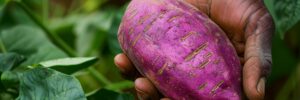
• How to guide: Growing kūmara

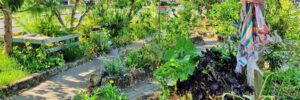
    This resource offers a comprehensive guide to cultivating kūmara, integrating practical gardening techniques with cultural...

    Making the most of school gardens: Insights from educators

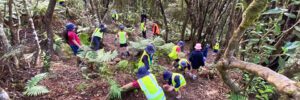
    This resource compiles insights from three educators who have integrated garden-based learning (GBL) into their...

    Practical teaching about Antarctica: hands-on activities for science classrooms

    A collection of practical activities helps students explore various aspects of Antarctica, including its climate,...

    Book review: Complex Systems Thinking | Rose Hipkins

    Rose Hipkins’ book provides insights into the application of complex systems thinking in science education....

    Primary science leaders: growing leadership, capability, and networks in science education

    This resource supports teachers who are or want to become leaders in the primary science...

    Local curricula: Tailoring science education to community strengths

    Schools in Aotearoa New Zealand are adapting the national curriculum to align with their unique...

    Teaching climate change: Engaging students in local action

    Climate change is global issue about which students have marched in many countries. This current...

    NCEA Science students | Free exam support

    Prepare for exams with 26 expert-led online sessions streamed on YouTube, designed to support students...

    PSP collaborative science projects: Engaging students in real-world scientific inquiry

    The Participatory Science Platform (PSP) brings schools, communities, and scientists together to investigate locally relevant...

    Secondary students studying tuna: Integrating mātauranga Māori in science education

    This article showcases how Te Kuiti High School incorporates mātauranga Māori into secondary science curricula...

    Searching critically online: Teaching students to evaluate digital information

    In an age where information is abundant, it’s crucial for students to develop skills to...

    Growing tuna kuwharuwharu at school: A hands-on conservation project

    Point England School in Tāmaki Makaurau partnered with Ngāti Pāoa to create a unique learning...

    Testing freshwater cheaply: Engaging students in water quality monitoring

    Local streams are real-world contexts for teaching concepts of biology and chemistry which incorporate mātauranga...

    Making kawakawa balm: A hands-on exploration of traditional Māori healing

    Rongoā is commonly explored by matching ailments with remedy, but students can also enjoy making...

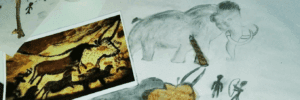
    Teaching evolution: Approaches to human evolution in New Zealand classrooms

    Human evolution can be complex, but focusing on key trends helps students make sense of...

    Teaching fire-making: Exploring traditional Māori methods in science education

    This article introduces kia hika ahi, a traditional Māori fire-making technique involving a fire plough....

    Chris Duggan – Churchill Fellowship: Engaging children in science learning

    Chris Duggan’s Churchill Fellowship report investigates innovative approaches to science education in primary schools, focusing...

    Research about the Action Competence Approach in Environmental Education

    What if environmental education could do more than just inform—what if it could inspire real-world...

    Science Yrs 1-10 | Teaching sound

    Curious how to make the concept of sound truly resonate in the classroom? This hands-on...

    iQualify for schools: Free offer

    In response to the COVID-19 pandemic, iQualify for Schools offered free access to its online...