
Many thanks to the Rotoroa Island team for providing an overview of their EOTC opportunities.
Rotoroa Island offers an immersive conservation learning visit focused on New Zealand’s unique native species and ecosystems. Guided experiences help students understand the importance of restoration, predator-free sanctuaries, and how water and land are connected on an island. Students explore how biodiversity is linked across habitats and how ecosystems interact, seeing firsthand how plants, animals, and freshwater systems all depend on each other. Through hands-on activities and observation, students investigate these connections and learn how humans can support healthy, interconnected ecosystems. Turn your class into young scientists.
Students explore wildlife, wetlands, and coastal habitats on Rotoroa Island. They will:
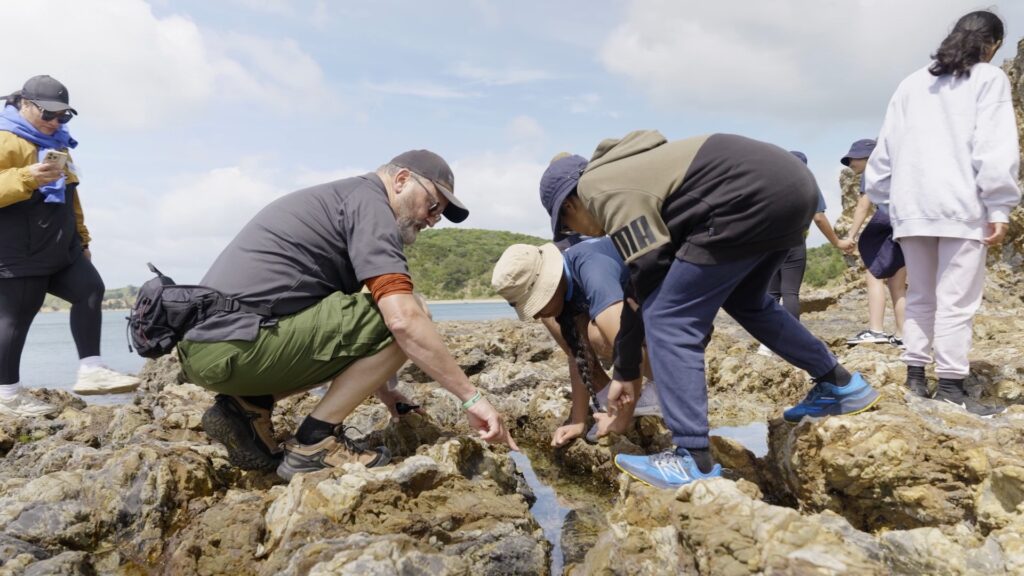
- Investigate rock pools and coastal ecosystems – observe species and explore ecosystem interactions.
- Explore wetlands and freshwater habitats – investigate macroinvertebrates and build understanding of freshwater ecology.
- Discover native birds and plants – identify species and learn about adaptations and biodiversity.
- Collect real environmental data – measure water clarity, temperature, and pH using scientific investigation.
- Reflect on findings – analyse collected data to consider what makes a healthy ecosystem.
Three-Part Learning Journey
Pre-Visit classroom workshop
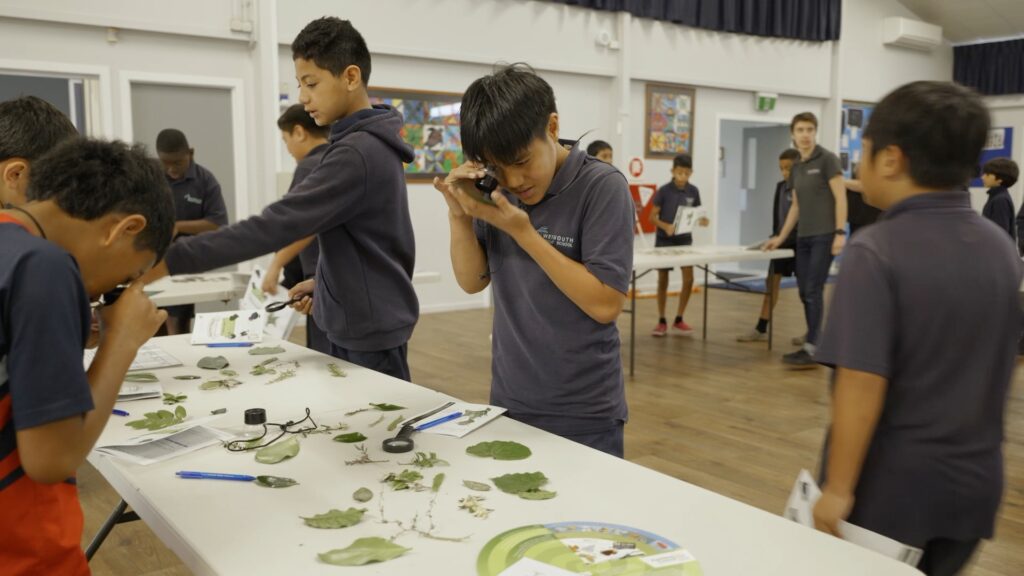
Prepare students for their island visit with an engaging introduction to Rotoroa Island, conservation challenges, and native wildlife. Through a variety of hands-on activities, students are split into small groups where they explore ideas, generate discussion, and share their thinking. For example, students investigate producers, consumers, and decomposers, building an understanding of how ecosystems work that can be revisited and explored further during their time on the island. They begin their field journals, recording observations and developing questions to guide their learning.
Island field experience
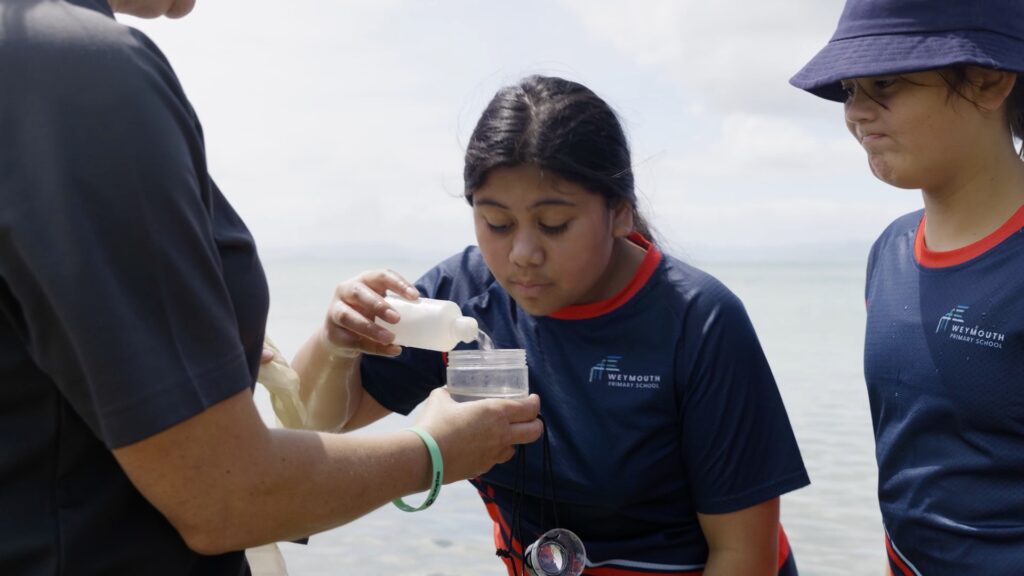
Students take part in a rich, curriculum-linked outdoor learning day, applying observation, investigation, and data collection skills in a real conservation setting. The day includes a guided nature walk where students record the trees they see and identify birds by sight and sound, building their observation skills. At the wetlands, they take part in hands-on science through water testing, collecting and recording data in their journals. Students enjoy lunch at the beach, followed by an afternoon exploring the rock pools, discovering marine life and understanding coastal ecosystems.
Reflection and action classroom workshop
In a final session back at school, students analyse and interpret their findings, reflect on ecosystem health, and explore the positive impact of human actions on the environment. Linking to the New Zealand Curriculum strands of Science (Living World) and Nature of Science, they use evidence to explain ecological relationships. Using prepared iNaturalist slides, students explore the biodiversity in their local area to see what species are around their school and learn how citizen science contributes to conservation. They also examine eDNA data from a nearby stream to discover what organisms are present in their local waterways. Through real-life scenarios, students work in small groups to discuss, problem-solve, and identify practical, positive actions they can take to support conservation, reinforcing their learning from the island experience.
What will students see, do or explore during a visit?
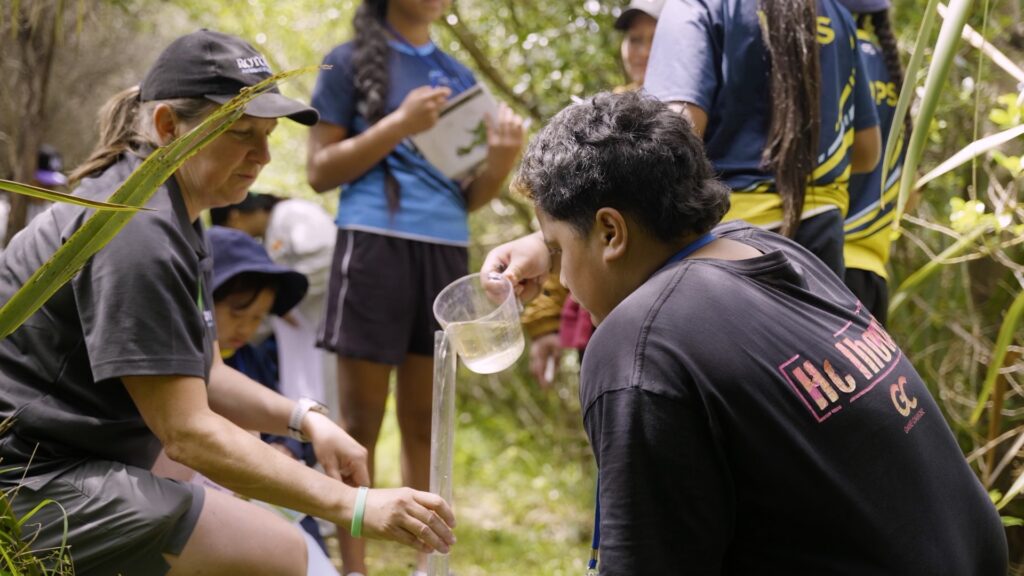
Students begin by exploring different habitats on the island, including coastal shorelines, wetlands, and native forest areas. Throughout the day, students record observations, collect data, and reflect in their field journals, strengthening their ability to describe, measure, and communicate their learning.
They may:
- Observe native birds such as tīeke/saddleback, pōpokotea/whitehead, and takahē, noting their behaviours, adaptations, and habitats, and recording descriptive observations and labelled notes, while recording the species they see and hear in their journals.
- Explore plant life, including pōhutukawa, pūriri, and other native flora, describing how these support food webs.
- Conduct simple ecological investigations, such as testing water clarity, temperature, and pH in wetlands, measuring, recording, and comparing results.
- Discuss predator-free conservation and biosecurity, developing ideas through group discussion and recording key points and questions.
- Connect observations to the roles species play in the ecosystem and why they are considered taonga/treasures, supported through written reflections.
Students often end the session by reflecting on how these ecosystems are interconnected and how humans can protect them, using their journals to summarise their learning and communicate their ideas through both written responses and simple data.
New Zealand Science curriculum connections
Science – Nature of Science
- Understanding about Science L1–2: Appreciate that scientists ask questions about the natural world that lead to investigations.
- Investigating in Science, Communicating in Science.
Science – Living World
- Ecology L1–2: Recognise that living things are suited to their particular habitat.
- Evolution L1–3: Begin to group plants, animals, and other living things into science-based classifications; understand variation and adaptation.
- Life Processes L1–3: Recognise the requirements for life and how processes occur in different ways across species.
Additional links
- Social Science: Human impact on the environment, local community engagement.
- History: Restoration history of Rotoroa Island and cultural significance.
- Geography: Landforms, habitats, and water systems.
Key information
The programme runs during Term 1 and Term 4. It is aimed at 10-14-year-old students, all facilitated by at least two Rotoroa Island educators. The cost is $40 per student, including the ferry to the island with Explore Group – however the transport to the ferry terminal is not included. A 1:6 ratio, adult to student is required. 30 students are the minimum number for this trip.