
Set beside the crystal-clear waters of the Tongariro River, the Tongariro National Trout Centre is very much a living classroom, where students can get hands-on with freshwater science, conservation and kaitiakitanga. From spotting trout and tiny water bugs to exploring hatcheries, hydro power, and the big questions around introduced species, educator Clint Green offers engaging place-based learning.
What learning experiences or programmes do you offer for school groups?
- Fresh water conservation and understanding including facts and figures and the water cycle along with what makes for good trout habitat
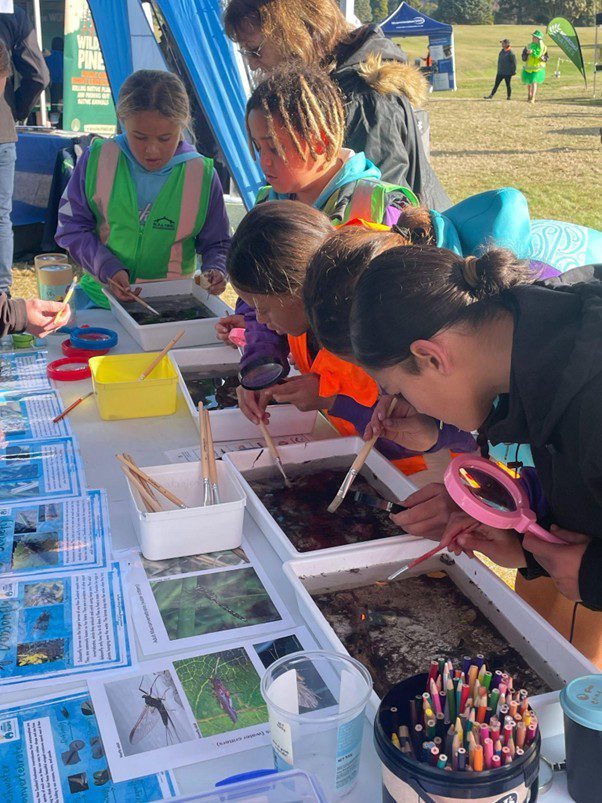
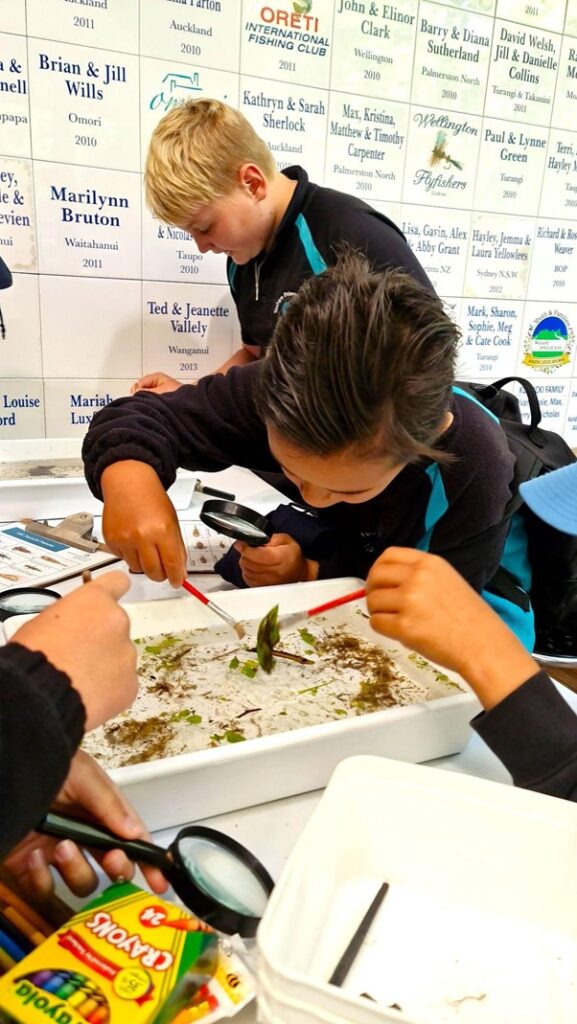
- Macroinvertebrate exploration and why these are important markers of water quality
- Trout life cycle and anatomy
- Native fresh water fish experience and conservation
- Ethics of introduced species being allowed to exist and welcome in our waters.
- Hydro power, especially the Tongariro Power Scheme and effects on water and environment
- Trout rearing and husbandry
- Fly fishing and catching trout in fishing pond.
What will students see, do, or explore during a visit?
- Large wild Rainbow and Brown Trout in their natural environment
- Working hatchery
- Fresh water aquatic macroinvertebrates
- Native fresh water fish aquarium
- Historical Museum (history of trout in the systems)
- Classroom experiences, including Kahoot quizzes and Padlet shared learning experiences, under the guidance of an educator.
How do your programmes connect to the New Zealand Curriculum (e.g. science, ecology, sustainability, mātauranga Māori)?
1. Science (Pūtaiao)
The centre acts as a “living laboratory” where students engage directly with the Nature of Science and Living World strands.
- Ecology & Ecosystems: Students investigate the freshwater ecosystem of the Tongariro River and Waihukahuka Stream. This includes sampling macroinvertebrates (water bugs) to determine water quality and studying the food web that supports both native fish and introduced trout.
- Life Processes: The on-site hatchery and aquarium provide a real-world look at life cycles. Students observe the developmental stages of Rainbow Trout (from ova to fingerling) and compare them with native species like kōkopu, kōaro, and tuna (eels).
2. Sustainability (Education for Sustainability)
The programmes emphasize that freshwater is a finite resource (“Blue Gold”) that must be managed for future generations.
- Resource Management: Students explore the tension and balance between different users of the river (recreational anglers, electricity generation via Genesis Energy, tourism and conservation).
- Human Impact: Learning modules cover how human actions—such as introducing species, farming runoff and modification of waterways—impact water quality and biodiversity.
- Action Competence: By understanding the “Taupō Trout Fishery” model, students learn how regulations (bag limits, size limits) are used as scientific tools to ensure a sustainable population for the future.
3. Mātauranga Māori
The centre acknowledges the significance of the Tongariro River to Ngāti Tūwharetoa and integrates indigenous knowledge systems.
- Kaitiakitanga (Guardianship): The programmes foster a sense of responsibility for the natural world. Students learn that protecting the water (wai) is essential for the health of the people (he tangata).
- Local Pūrākau (Stories) & History: The education classroom is named after the late kaumātua Whakapumautanga Downs, honoring the family who originally gifted the land. Learning includes the history of the land and the cultural importance of the river as a food basket (mahinga kai).
- Manaakitanga: The act of fishing and preparing food (smoking the trout catch in some programmes) connects to the value of manaakitanga—being able to provide for and host guests.
4. Social Sciences
- Place and Environment: Students learn why this specific location (cold, clear, spring-fed water) was chosen for the hatchery in 1926 and how the physical environment shapes human activity (tourism and recreation).
- Economic Impact: Discussions cover how the trout fishery supports the local Tūrangi economy and tourism industry.
| Curriculum Area | Key Concept Focus | Activity Examples |
| Science | Living World, Ecology | Stream studies, macroinvertebrate sampling, whio crèche viewing. |
| Sustainability | Future focus, Resource management | “Blue Gold” film, debating water usage, hatchery management. |
| Mātauranga Māori | Kaitiakitanga, Manaakitanga | Learning local history/whakapapa of the land, smoking trout. |
| Physical Education | Outdoor skills, Safety | Casting tuition, water safety awareness and angling skills. |
How can visits be tailored for different year levels or learning goals?
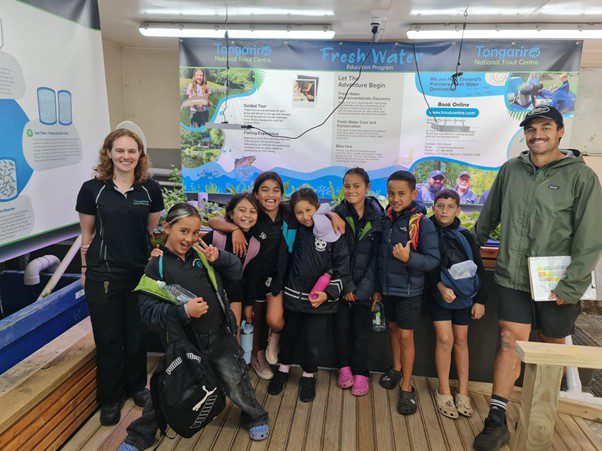
Our educator Clint Green is a skilled multi level presenter who works individually with every visiting group to ensure the prgrammes are tailored for both level and content in a bespoke manner.
What are the practical details for schools (e.g. costs, group sizes, duration, accessibility, risk management)?
Schools can book a 2-hour module depending on numbers. Larger groups (and/or) those wanting to fish may need a 4-hour booking with a lunch break in the middle. We have a full RAMs available to visiting groups. We are fully accessible and offer an alternative entry for anyone with mobility challenges. For more information, visit the website.
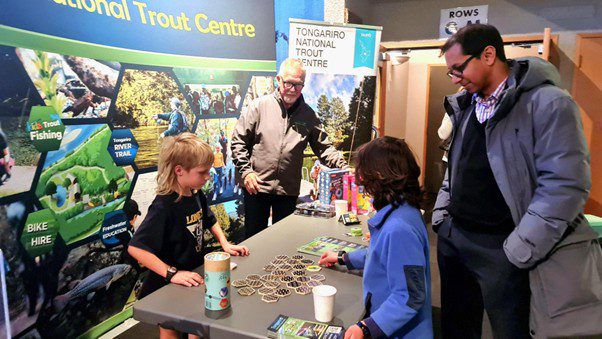
What aspects of your programme are most popular or impactful for students and teachers?
Our most popular activities are:
- Pond fishing (with or without trout anatomy discussions)
- Macroinvertebrate discovery
- Fresh water conservation
- Guided centre tour
Contact details
Contact: Clint Green
Role: Educator
Email: [email protected]
Phone: 021 104 8669
Website: www.troutcentre.com