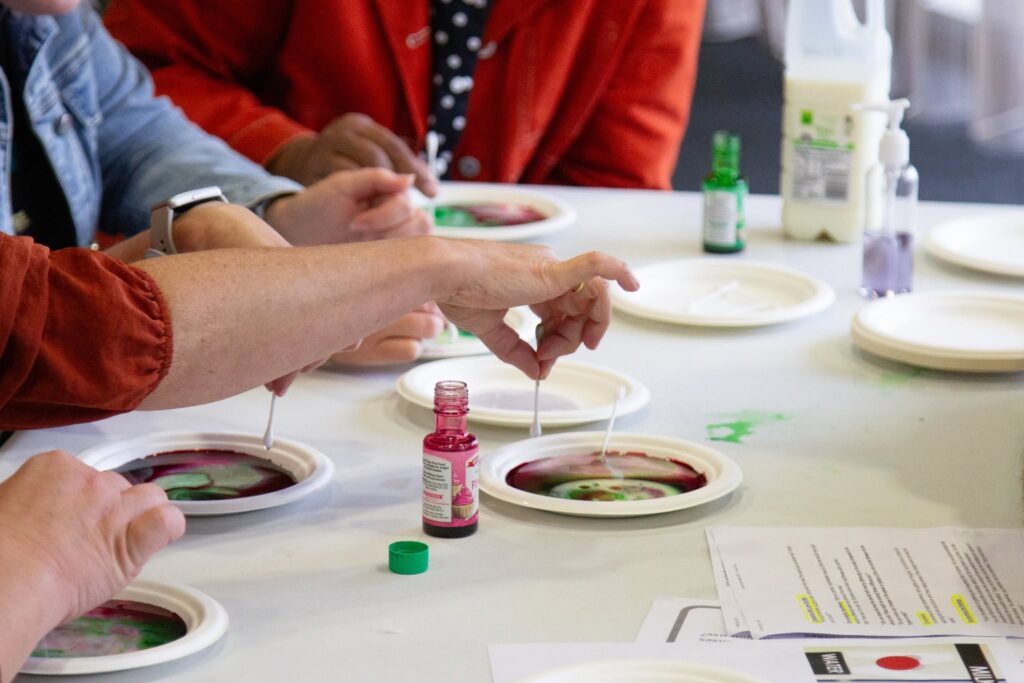
What does science look like beyond the classroom? The Science Teaching Leadership Programme gives primary and secondary teachers the opportunity to find out, spending two school terms within a science-focused organisation and gaining first-hand insight into science in research, industry and the wider community.
Delivered by the Royal Society Te Apārangi and funded by the Ministry of Business, Innovation and Employment, the programme has two phases. During Phase One, teachers take paid leave from the classroom to complete their placement. In Phase Two, they return to their schools and spend 12–18 months putting their new knowledge into practice, supporting colleagues, and strengthening science teaching and student learning.
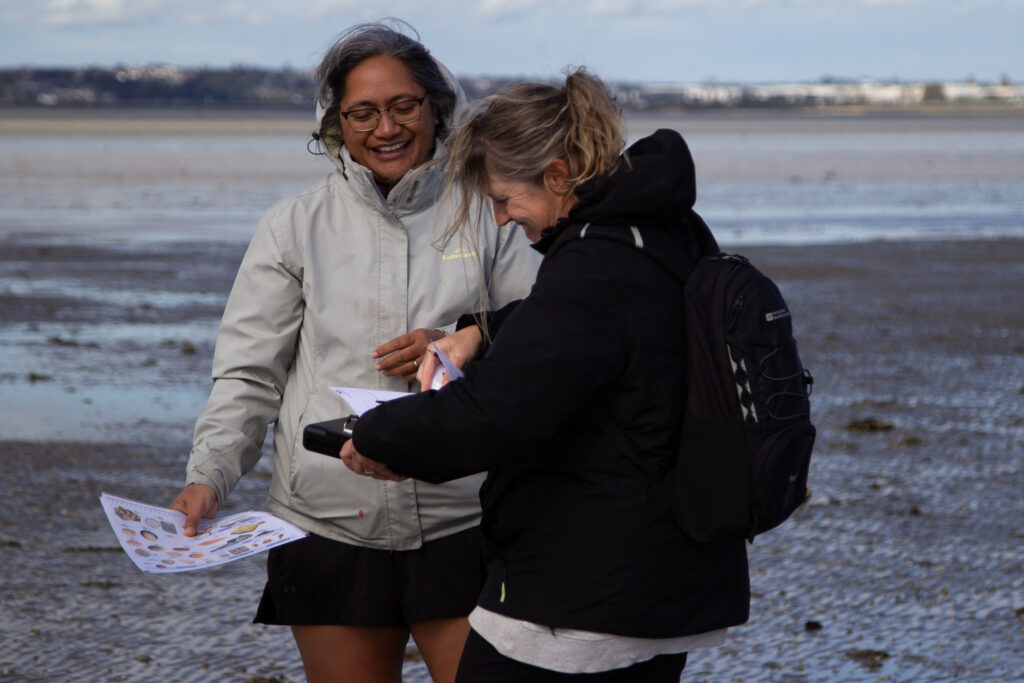
With applications now open for the 2027 cohort, NZASE spoke with Science Teaching Leadership Programme Manager Shane Delaney about the programme. Working alongside and learning directly from scientists gives teachers an experience unlike other professional learning opportunities, he says. “Teachers gain an in-depth understanding of, and appreciation for, the practices of science and how these can be taught in the classroom. They learn more than content and often comment about the range of practices they see scientists using and about how they might give their students a similar experience.”
After returning to school, teachers spend the following 12–18 months leading improvements in science education. This extended timeframe allows teachers to “embed best practices” and “lead and drive meaningful change” while incorporating their real-world experiences into classroom learning, helping make “science more relevant, engaging, and hands-on for their students,” Shane says.
“Participation in the 2027 programme is a valuable opportunity for schools to build teacher confidence and capability to make science teaching an area of success, just as the new curriculum is being introduced.”
Placements
Placements are tailored to each teacher’s professional learning goals. In 2024, Angela Scott from Ormond School worked alongside horticultural trusts and organisations across Te Tairāwhiti to build on her understanding of native ecosystems, native tree production and sustainable food production. Jane Thomas from Favona School undertook a placement with the Riddet Institute Centre of Research Excellence to learn how to strengthen the links between classroom learning and food science. Earlier, in 2022, Gerd Banke from Nayland College worked with the Cawthron Institute to build her knowledge of environmental DNA (eDNA), marine ecology, biosecurity tools and scientific field and laboratory practices, with the aim of bringing these experiences back into the classroom.
For a full list of participants and organisations, visit the programme’s teacher profiles here.
Eligibility criteria
- Registered primary, intermediate, or secondary teachers (Years 9–10 science) with at least three years of teaching experience.
- Permanent employment in a New Zealand school (full-time or at least 0.8 FTE part-time).
- New Zealand citizen or holder of a New Zealand residence visa.
More information
- Applications for 2027 close on 28 August 2026, 5pm.
- For application guidance, eligibility information and the application form, please visit the Apply for the Science Teaching Leadership Programme page.
- Read an article from the NZASE archives about the programme here.