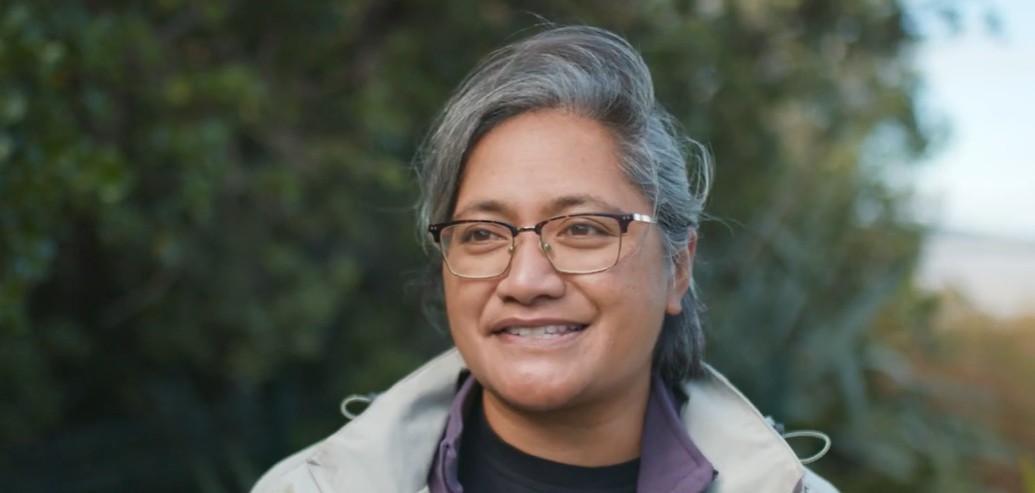
From exploring muddy estuaries to using pūrākau to understand Auckland’s volcanic landscape, Jane Thomas (Samoan descent, from the villages of Lufilufi and Solosolo, Upolu) believes science comes alive when students experience it for themselves. In this Teacher Q&A, the Science Lead Teacher and Year 6 classroom teacher at Favona School, Auckland, shares how hands-on learning, local environments and community connections help spark curiosity, build scientific thinking and show students that science is an essential part of everyday life.
Please share your journey into science teaching.
Born and raised in Māngere, Auckland, I developed my interest in science through television. Growing up in the 1970s and ’80s, we had programmes like Don’t Ask Me, which explained everyday phenomena to kids in an entertaining way. Tomorrow’s World, a BBC show airing on Sunday afternoons, showcased the latest innovations in science and technology, while David Attenborough and Disney nature documentaries filled in the gaps. Sometimes this would lead to an investigation in the kitchen, much to my mum’s horror.
Science didn’t feature heavily in my senior high school years, partly due to the streaming system back then. However, after entering a teacher-training program in Dunedin, I naturally gravitated toward science papers. In the early ’90s, I was fortunate to train when you could develop deep curriculum knowledge beyond the basics, taking papers in photography and bird studies. Barbara Benson, a lecturer at the time, was instrumental in fostering my interest in science teaching by modelling a hands-on approach.
More recently, participating in the Royal Society Te Apārangi Science Teaching Leadership Programme was hugely beneficial. Spending time at the Riddet Institute and working in the taiao with ecologist Dion Pou provided deep insight into how scientific knowledge contributes to our lives. Most importantly, it reaffirmed my belief that science is not just a potential career pathway but essential knowledge for everyday life.
What does science teaching look like in your classroom on a good day?
A great day of science is being out in the taiao observing, watching and wondering what has caused the phenomenon we have observed. In our classroom, students are actively making sense of the science they’ve engaged with through robust discussions, making claims, and having their claims challenged. Then, using our science skills and knowledge to inform our art and drawings.
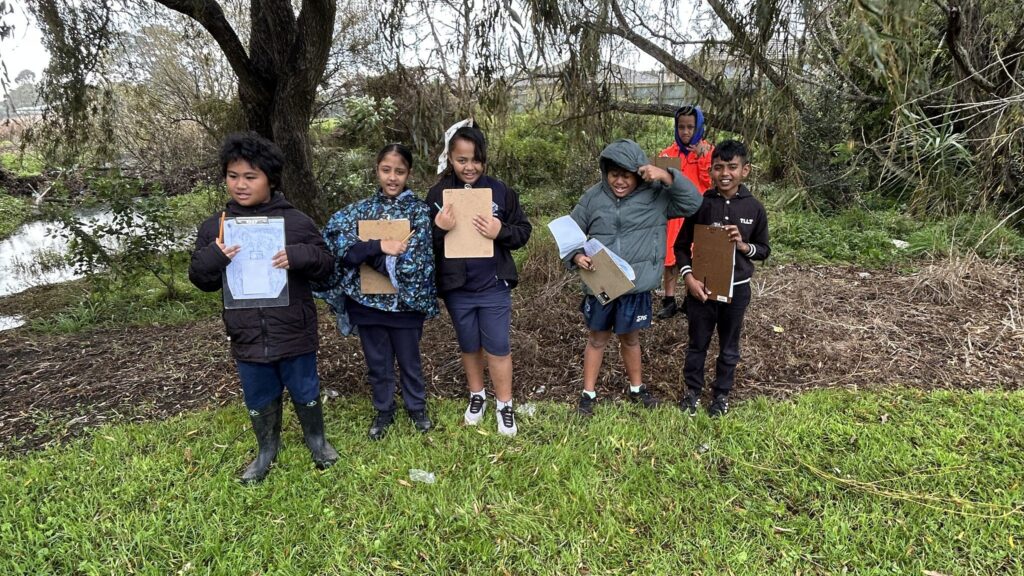
We went with Mountains to Sea recently to undertake Marine Metre². Just being on the muddy shore was a new experience for some. We have been developing our students’ observation skills and stamina to look carefully, and it was great to see them in the field looking for snails and crabs hiding in the mud.
How do you engage students who might not be interested in science?
In primary school, we have the opportunity to hook students into science. The experiential nature of science learning is well suited to students to tutū/try and to fail, and science allows you to do that. Finding a link within a topic that will hook their curiosity is important, and helping them understand how it is relevant to their lives is key.
Are there local places, people or issues you use to help connect science to students’ lives?
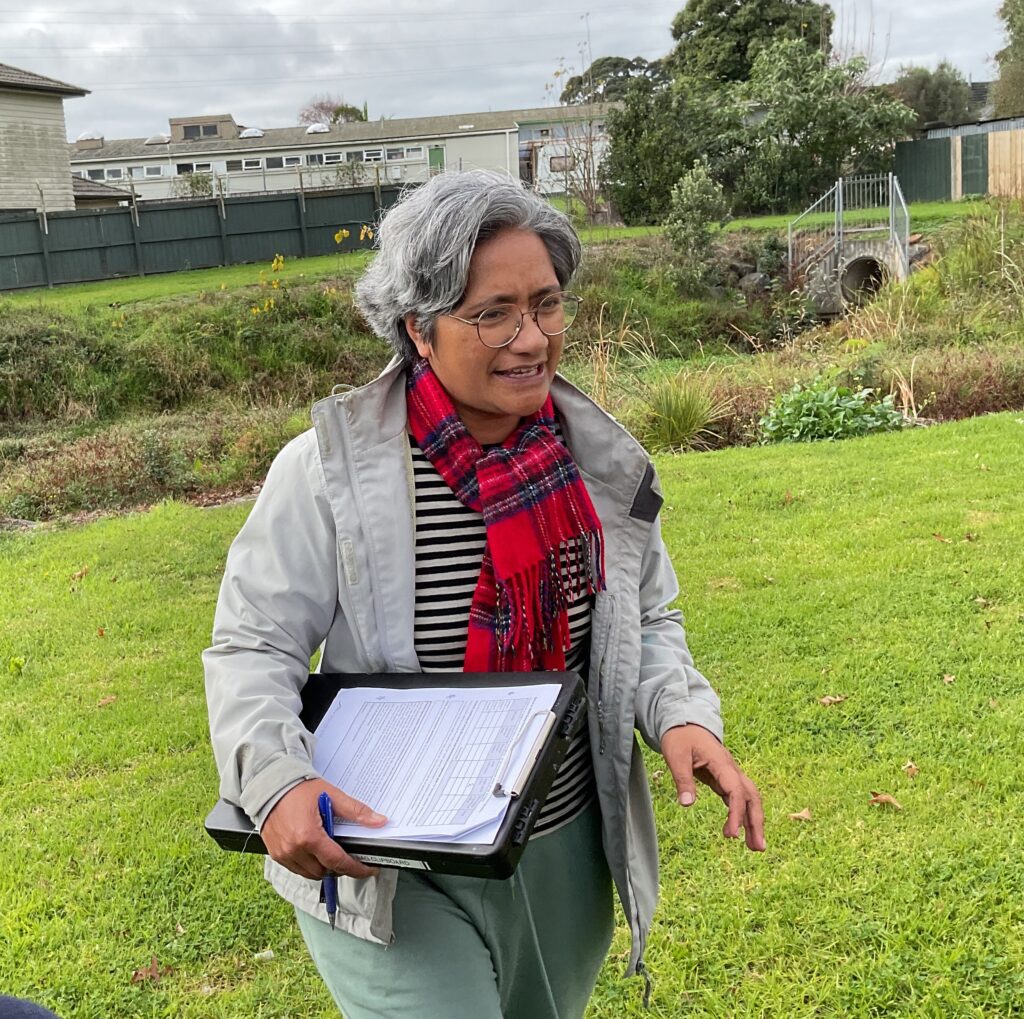
We have begun visiting our local stream, Harania Stream. All of our classes have visited the stream for observations, and we participated in a rubbish clean-up. We have also signed up for the Adopt the Park initiative, which includes the stream. As with many school commitments, finding time to make this a regular activity can be challenging, but each year we try to take a meaningful step towards caring for our local environment.
How do you incorporate mātauranga Māori into your teaching?
Last year, I used pūrākau to help us understand our volcanic landscape in Tāmaki, and that helped us connect with Mataaoho, whose name is imprinted on much of our local area.
What’s a challenge you’re currently facing as a science teacher?
I am fortunate to work in a school where science is genuinely valued by both staff and our community. However, like many primary schools, our main challenge is fitting science into a crowded timetable, making curriculum integration essential.
How do you approach assessment in your classroom?
Assessment can take the form of learning artifacts, such as slide presentations, oral presentations to the class, or artwork that demonstrates evidence of close observation.
What’s one activity, strategy or resource you’d recommend to other science teachers?
One resource I would recommend to teachers is the Building Science Concepts series issued by the Ministry of Education. You can still get some of these through Down the Back of the Chair. These books provide a great overview of The Big Ideas, some background information for you, the teacher, and a series of lessons that are easily resourced.
What’s something your students have taught you?
My students’ curiosity about the world around them and their overall outlook are so optimistic. It’s a great energy to be around. They are always teaching me about their lives, which helps me adjust my approach to the content.
What keeps you inspired about teaching science?
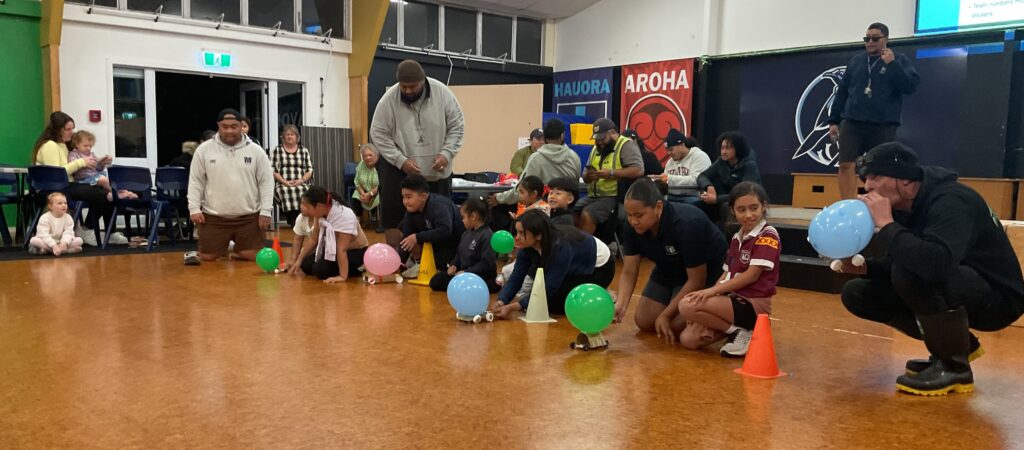
Our students and community are what keep me inspired to teach science. We recently had a community science evening, and the turnout was amazing. The school hall was filled with laughter and testing. Students were able to see their parents being scientists; it was a heartwarming evening and it has me thinking about how to build on this for the future.
Top image credit: Royal Society NZ