
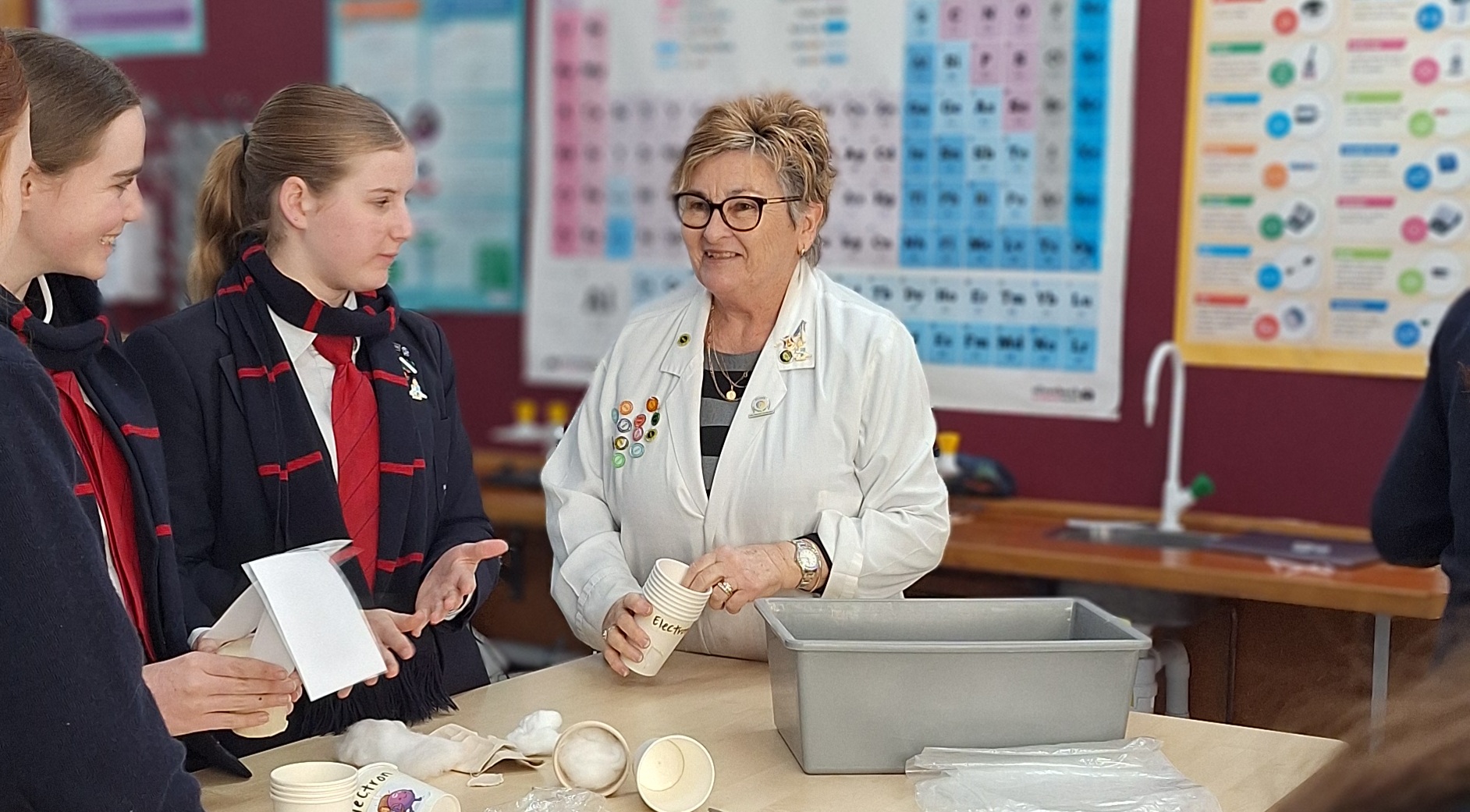
How much has the school science laboratory changed over the past three decades? From handwritten labels and paper inventories to digital technology, tighter health and safety requirements, and an increasingly specialised role, Lab Manager Raewyn Keene (Waikato Diocesan School for Girls) reflects on 30 years of change—and the enduring value of practical science.
Over the past thirty years, the role of the science technician in education has transformed dramatically. When I first entered the profession in 1996, science laboratories operated very differently than they do today. Resources were simpler, practical lessons were often more hands-on and less regulated, and technology played only a minor role in the preparation and delivery of experiments.
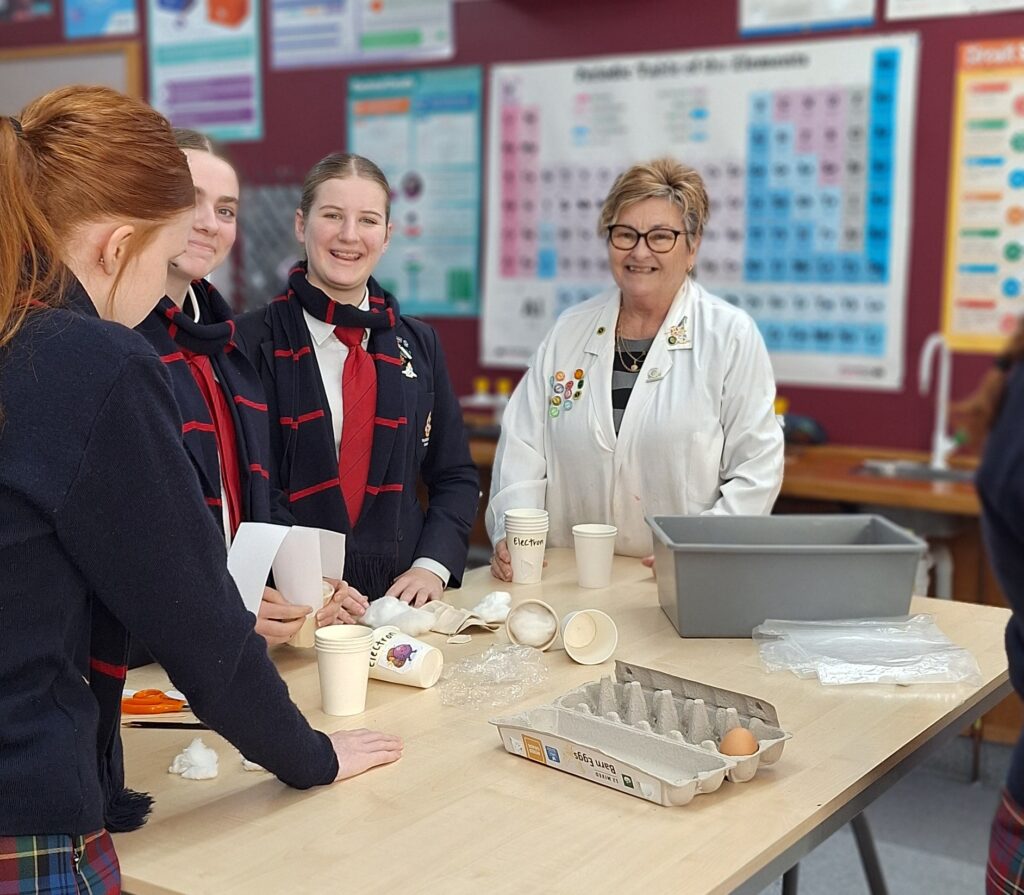
It’s so hard to believe that in April, it was my 30th anniversary in this profession. Where has the time gone?
As a laboratory manager, I have had the privilege of witnessing — and adapting to — enormous changes in science education, health and safety standards, curriculum changes, [still more to come] and laboratory technology. I have had the privilege of working with some amazing and enthusiastic people at St John’s College, St Paul’s Collegiate and now at Waikato Diocesan School for Girls.
And my own children are carving out careers in teaching and launching an engineering consulting business. I am so pleased that some of my knowledge rubbed off on them!
The early years: Practical science in the 1990s
Thirty years ago, practical science was heavily focused on traditional experiments. Chemistry lessons regularly involved open flames, strong acids and demonstrations that would now require extensive risk assessments. Physics practicals often relied on analogue equipment, while biology lessons involved handwritten observations and basic microscopes. Preparation was entirely manual. Labels were handwritten, and inventories relied on paper records. Computers were available but were mostly used to type worksheets rather than to support experimental work.
Science technicians needed to be resourceful. Equipment was repaired rather than replaced, and improvisation was a valuable skill. Budgets were often limited, so creativity played a major role in ensuring practical lessons could still inspire students while supporting science teachers in their delivery.
The rise of health and safety
One of the biggest transformations over the past three decades has been the increasing emphasis on health and safety. Modern laboratories operate under far stricter regulations, and rightly so.
Risk assessments, Safety and Science/Putaiao MOE Guidance for NZ schools and detailed procedural guidance SMUs are now central to laboratory management. Organisations such as STANZ have become an essential source of guidance for schools and technicians alike.
Many experiments once considered routine have either been modified or removed entirely. Mercury thermometers disappeared from classrooms, radioactive sources were tightly controlled, and chemical quantities were significantly reduced through microscale practical work.
While some may argue that science has become more cautious, the improvements in student and staff safety have undoubtedly professionalised the role of laboratory technicians.
Technology changes everything
The arrival of digital technology revolutionised school laboratories. Data logging equipment replaced stopwatches and hand-drawn graphs. Interactive whiteboards changed lesson delivery, while digital microscopes and simulation software opened entirely new ways for students to investigate scientific concepts. And more recently, Google, AI and ChatGPT have provided a new dimension to learning and planning.
Inventory systems moved online, allowing better stock control and budgeting. Ordering chemicals and equipment became faster and more efficient, while email transformed communication between departments and suppliers. Alii is now commonly used in the workplace to create purchase orders and send them directly to suppliers.
More recently, students have begun using tablets, sensors, coding platforms, and computer-based analysis tools as part of everyday science lessons. STEM education now extends beyond traditional experiments to include robotics, environmental monitoring, science fairs, and engineering challenges.
For technicians and laboratory managers, this has required continuous learning and adaptability. The profession today demands not only scientific knowledge, but also organisational, technical, and digital management skills.
Changes in practical science
Practical work itself has evolved significantly.
Modern experiments are often designed to minimise hazards, reduce waste, improve reliability and fit tighter lesson schedules. Microscale chemistry, prepared kits, and pre-measured reagents are now common. Environmental awareness has also influenced laboratory practice, with schools reducing chemical disposal, limiting plastic use, and considering sustainability in purchasing decisions.
At the same time, practical science remains as important as ever. Students still learn best when they can observe reactions, collect data, and experience scientific investigation first-hand. Despite advances in technology, nothing replaces the excitement of a successful experiment.
The changing role of the technician
Perhaps the greatest change has been the recognition of the profession of the technician itself. Thirty years ago, science technicians often worked behind the scenes with little visibility. Today, laboratory managers/science technicians are recognised as key contributors to science education.
The role now includes health and safety leadership, staff training, budget management, compliance oversight, equipment management, and thorough knowledge of the curriculum.
Technicians are increasingly involved in lesson planning, STEM events, and the support of advanced practical work and assessments. During challenging periods such as the COVID-19 pandemic, laboratory staff also demonstrated remarkable adaptability in supporting remote and modified learning environments.
The profession has become more skilled, more specialised, and more respected.
Looking back — and forward
Reflecting on thirty years in school science brings a strong sense of pride. Thousands of experiments were prepared, countless students supported, and generations of young people encouraged to explore science. While equipment, regulations, and teaching methods have changed, the core purpose remains the same: creating opportunities for students to discover, question, and learn through practical science. The laboratories of today may look very different from those of the 1990s, but the enthusiasm and curiosity that science inspires have not changed at all. And that is what makes the journey worthwhile.
Raewyn Keene | Lab Manager
Waikato Diocesan School for Girls, Hamilton