Prepare for exams with 26 expert-led online sessions streamed on YouTube, designed to support students 3–5 days before each NCEA science exam. Ask questions in the chat, and a moderator will pass them on to the presenter. Can’t make it live? Each session will be recorded and available on YouTube. These webinars are also a […]
Read MoreRecorded Level 1 pilot webinar
Watch the NZASE panel discussion with teachers from three schools involved in this year’s pilot of the new Level 1 Science standards, recorded in September.
Read MoreTeaching mātauranga Māori and Science: Panel discussion
Recording of a panel discussion with expert teachers
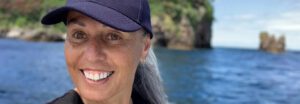
Read MoreEcologist | Jacqueline Beggs
Professor Jacqueline Beggs is an ecologist at the University of Auckland, specialising in the interactions between plants, animals, and their environments. Her research spans forest, urban, and agricultural systems, with a focus on the impacts of invasive species and the restoration of ecosystems. Notably, her long-term study on kākā survival in Nelson revealed the significant […]
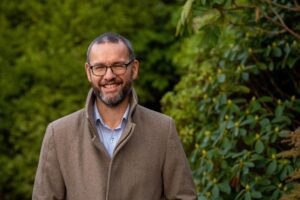
Read MoreMaterials Chemist | Nancy Garrity
Dr. Nancy Garrity is a materials chemist whose research bridges Māori knowledge and modern science. Her work explores the potential of indigenous fibres, such as harakeke and tī kōuka, as sustainable alternatives to plastic. Collaborating with Māori communities, she develops bio-based composite materials, including polymer composites incorporating Cordyline species, to create eco-friendly products. Dr. Garrity’s […]
Read MoreSecondary students studying tuna: Integrating mātauranga Māori in science education
This article showcases how Te Kuiti High School incorporates mātauranga Māori into secondary science curricula by focusing on native aquatic species like tuna (eels) and kahawai. Through practical activities such as constructing hīnaki (eel traps), smoking fish using traditional methods, and engaging in overnight marae visits, students explore the ecological, cultural, and spiritual significance of […]
Read MoreSearching critically online: Teaching students to evaluate digital information
In an age where information is abundant, it’s crucial for students to develop skills to assess the credibility of online sources. This article provides strategies for teaching students how to critically evaluate digital content, focusing on aspects like authorship, purpose, and evidence. It offers practical activities and discussion prompts to help students navigate the complexities […]
Read MoreSlow Slip Events: Understanding Aotearoa’s Silent Earthquakes
In Aotearoa New Zealand, the Pacific and Australian tectonic plates meet beneath the North Island, leading to slow slip events (SSEs) — gradual, silent earthquakes that release stress over weeks to months. These SSEs are part of the normal behaviour of our subduction zone, occurring at predictable intervals. While undetectable by humans, they are monitored […]
Read MoreMarine Researcher | Kimberley Maxwell
Kimberley Maxwell is a marine researcher whose work delves into the complexities of New Zealand’s coastal ecosystems. With a background in zoology and marine biology, she has contributed to various studies on marine life, including the impacts of environmental changes on marine species. Maxwell’s research not only enhances our understanding of marine biodiversity but also […]
Read MoreGrowing tuna kuwharuwharu at school: A hands-on conservation project
Point England School in Tāmaki Makaurau partnered with Ngāti Pāoa to create a unique learning experience by raising longfin eels (tuna kuwharuwharu) in a custom-built tank. Over three terms, students observed the eels’ growth and behaviour, monitored water quality, and participated in their release back into the Tāmaki Estuary. This project provided an engaging context […]
Read More